
Hair loss: normal or a cause for concern? How to know when treatment is needed
Published Last updated Content: Swiss Hair Life editorial team
Medically reviewed by Dr. Sabrina Tahery (Medical Lead Oftringen) and Dr. Moustafa Kassar (Medical Lead Zurich) · Medically updated
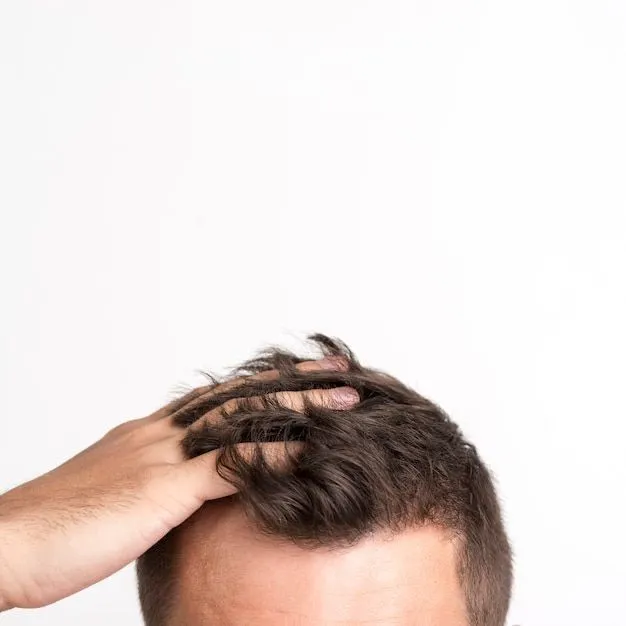
Many people only notice that their hair is thinning when they find hairs on their pillow or in the drain in the morning. It often comes as a bit of a shock: “Is this still normal, or is it already hair loss?”
Two typical examples:
One morning, Marco noticed significantly more hairs on his pillow. Lisa, on the other hand, realised while combing her hair and looking at the drain that she was losing more hair than usual. Moments like these unsettle many people, but they are often the first sign that something is changing.
Hair loss affects both men and women and can have many causes: genetic, hormonal, stress-related or medication-induced. In this article, you will learn how to tell normal hair shedding apart from problematic hair loss, which warning signs matter and when a hair transplant can make sense. We also share tips on how you can actively support your hair.
Short answer: Losing 50 to 100 hairs a day is normal. It becomes a concern if you lose noticeably more hair over several weeks, if thinning patches appear, your parting gets wider or your hair suddenly falls out in clumps. In that case, it is worth having it assessed.
How much hair loss is normal?
A person loses around 50–100 hairs every day. According to the American Academy of Dermatology, this is completely normal. What matters is not a single day, but changes over several weeks or months. On days when you wash your hair, it is often more, because hairs that have come loose over several days are washed out.
Tip: Keep an eye on your hair over a longer period. Photograph your hairline and your parting every few weeks in the same light, and look out for hairs on your pillow or comb. This is the quickest way to spot a problematic change.
Hair loss or broken hair?
Not every hair in the drain has fallen out. A hair that has fallen out has a small, pale thickening at one end: the hair root. Broken hairs have no root. They are more likely to be caused by heat, colouring or tightly tied hairstyles and are a hair care issue, not hair loss.
Warning signs of problematic hair loss
- Visible thinning patches (receding temples, thinning crown)
- Diffuse thinning across the entire scalp
- A widening parting or scalp showing through
- Sudden, heavy hair loss after stress, illness or taking medication
- Round, bald patches
- Redness, flaking, itching or pain on the scalp
Self-check: is your hair loss still normal?
Answer these questions for yourself:
- Have you been finding noticeably more hairs than before for several weeks?
- Is your hairline further back in recent photos than it was a year ago?
- Does your parting look wider or your ponytail thinner?
- Did you have a high fever, an operation, give birth or go through a period of severe strain two to three months ago?
- Does hair loss run in your family?
If you answer yes to several questions, it is worth having it assessed. You can also get an initial assessment with our free hair analysis, online with photos or in person.
Why hair falls out with a delay after stress
Severe stress, a high fever or an operation can push many hair roots into the resting phase at the same time. The hair then usually only falls out two to three months later. Hormonal changes, for example after pregnancy or with thyroid disease, also have a strong effect on hair growth. Once the trigger has passed, the hair usually grows back. You can find an overview of all the causes in the guide Possible causes of hair loss.
When should you see a doctor?
Have your hair loss checked by a doctor if it starts suddenly and is severe, if round bald patches appear, if your scalp is red or painful, if the increased hair loss lasts longer than a few months or if other symptoms such as tiredness occur. Your first port of call is your GP or a dermatologist.
Hair transplant: when is the right time?
Medical note:
“A hair transplant should only be considered once hair loss has been stable for 6–12 months. We take individual factors such as age, hair quality, hairline and density into account in order to achieve a natural result that lasts.”
Whether a hair transplant is an option for you also depends on how much donor hair there is at the back of your head. Find out more on our hair transplant page.
Prevention & supportive measures
Even if a transplant is not yet necessary, you can actively support your hair:
- Healthy diet: Make sure you get enough iron, zinc, vitamin D, biotin and selenium. A deficiency can contribute to hair loss. Supplements mainly help, however, when a deficiency has been confirmed, so have your levels checked by a doctor.
- Stress reduction: Chronic stress can make hair loss worse. Exercise, restful sleep and relaxation can help.
- Gentle hair care: Avoid frequent high heat, harsh chemical treatments and tightly tied hairstyles. They make the hair break and, over time, can put strain on the hair roots.
- Medical support: PRP (platelet-rich plasma) treatment can support existing hair growth in suitable patients. For hereditary hair loss, medication prescribed by a doctor is also an option.
What the studies say
A deficiency in iron, zinc or vitamin D is frequently checked for in cases of hair loss. Whether taking supplements helps without a confirmed deficiency has not been scientifically proven. Studies on hereditary hair loss show, on average, an increase in hair density after several PRP treatments; how strong the effect is varies from person to person.
Frequently asked questions
Is losing 100 hairs a day normal?
Yes. 50 to 100 hairs a day are considered normal. On days when you wash your hair, it can be more.
How long does increased hair loss after stress last?
Usually a few months. Once the trigger has passed, the hair generally grows back. If the hair loss lasts longer than about six months, you should have it checked.
Is hair loss after giving birth normal?
Yes, it is common. It often begins two to three months after giving birth and is usually temporary.
Can I tell for myself whether my hair loss is hereditary?
Signs include a typical pattern that develops slowly and hair loss in the family. It can only be assessed reliably in a medical examination, for example with trichoscopy as part of our hair analysis.
Key takeaways
Not all hair loss is necessarily a problem. Watch for changes, recognise the warning signs and get professional advice. That way, you will know when the right time for treatment has come and can take targeted action. If you are unsure whether your hair loss is normal or which steps make sense for you, you are welcome to book a personal consultation at our clinic. We take the time for you.

The original version of this article (October 2025) was prepared with the medical input of Dr. Yeliz Balci, then a doctor at Swiss Hair Life.
References
- American Academy of Dermatology: Hair loss
- Harrison S, Bergfeld W. Diffuse hair loss: its triggers and management. Cleve Clin J Med. 2009;76(6):361–367.
- Rebora A. Telogen effluvium: a comprehensive review. Clin Cosmet Investig Dermatol. 2019.
- Trost LB, Bergfeld WF, Calogeras E. The diagnosis and treatment of iron deficiency and its potential relationship to hair loss. J Am Acad Dermatol. 2006;54(5):824–844.