

Supports existing hair
In suitable patients, micrografting can strengthen thinning hair.
A minimally invasive treatment with your own hair follicle tissue, for women and men with thinning hair. Find out in 2 minutes whether micrografting is an option for you.
One treatment, CHF 2’500.–Tap the option that fits best.
Micrografting with your own hair follicle tissue: three very small tissue samples are taken from the scalp behind the ear, processed in the same session and introduced with fine injections where the hair is thinning.
Micrografting is sometimes loosely called a stem cell treatment for hair. In fact, we use your own processed hair follicle tissue, which may contain stem and progenitor cells, among other things. No stem cells are isolated or grown in a laboratory.
In suitable women and men, micrografting can support existing, weakened hair follicles. It is not a substitute for a hair transplant: where hair no longer grows, a transplant is the more suitable option.
Micrografting is an option if there are still hair follicles of your own that can be strengthened. Whether it makes sense for you is something we clarify in the free consultation, and we tell you openly if another treatment is a better fit.
What we check first
With hormonal or other medical causes, a medical assessment comes first. We discuss with you which route makes sense, including whether PRP treatment would be a better fit.
More about hair transplantsWe examine your scalp and hair follicles with a trichoscope during the consultation.
The cellular components from the processed hair follicle tissue are intended to stimulate weakened hair follicles. Early clinical studies show promising results in hereditary hair loss, including an increase in hair density. The evidence is not yet as extensive as for established standard therapies and is still developing.
In suitable patients, micrografting can strengthen thinning hair.
First changes can often become visible after about 4 months. The individual course can vary.
The micrografting material comes from your own hair follicle tissue and is processed directly for the treatment.
Micrografting does not create new hair follicles on completely bald areas. There, a hair transplant is the more suitable option.
We document your progress with photos and the hair scan from the hair analysis, so you can see what is changing.
The treatment takes about 60 minutes and is carried out under local anaesthesia. Afterwards you can usually return straight to your daily routine.
Before
We examine your scalp and hair follicles and check whether micrografting makes sense for you.
Step 1
Under local anaesthesia, we take three very small skin samples (2.5 mm in diameter) from behind the ear.
Step 2
The tissue is processed into a suspension using a special procedure.
Step 3
The suspension is introduced with around 60 fine injections into the areas where the hair is thinning.
Afterwards
First changes appear after about 4 months. We follow the progress at follow-up appointments.
Both treatments are minimally invasive, do not involve a hair transplant and can support existing hair. They differ mainly in the starting material.
Which treatment makes more sense depends on the cause and stage of the hair loss, the existing hair follicles and our hair analysis.
Check free of charge which treatment suits youMicrografting at Swiss Hair Life has a fixed price per treatment. It is generally carried out as a single treatment; whether a further treatment may make sense later depends on the individual course.
CHF 2’500.–
per treatment
Whether the treatment makes sense for you is something we clarify beforehand in the free consultation.
Micrografting is a minimally invasive treatment. As with any injection and tissue sampling, there are possible side effects, which we explain to you beforehand.
Possible for a time at the treated areas; usually subsides after a short time.
Occasionally possible; they usually disappear after a few days.
Mild discomfort, slight bleeding or a small scar at the sampling site are possible. Infection is rare.
For example with acute infections, certain blood clotting disorders or hair loss of unclear cause. We clarify medical causes first.
Free hair analysis
A few questions, free and without obligation. Our team will get back to you personally with your assessment.
Tap the option that fits best.
Your treatment takes place in our own clinics in Zurich and Oftringen. From the hair analysis to the check-up, the same team looks after you personally.
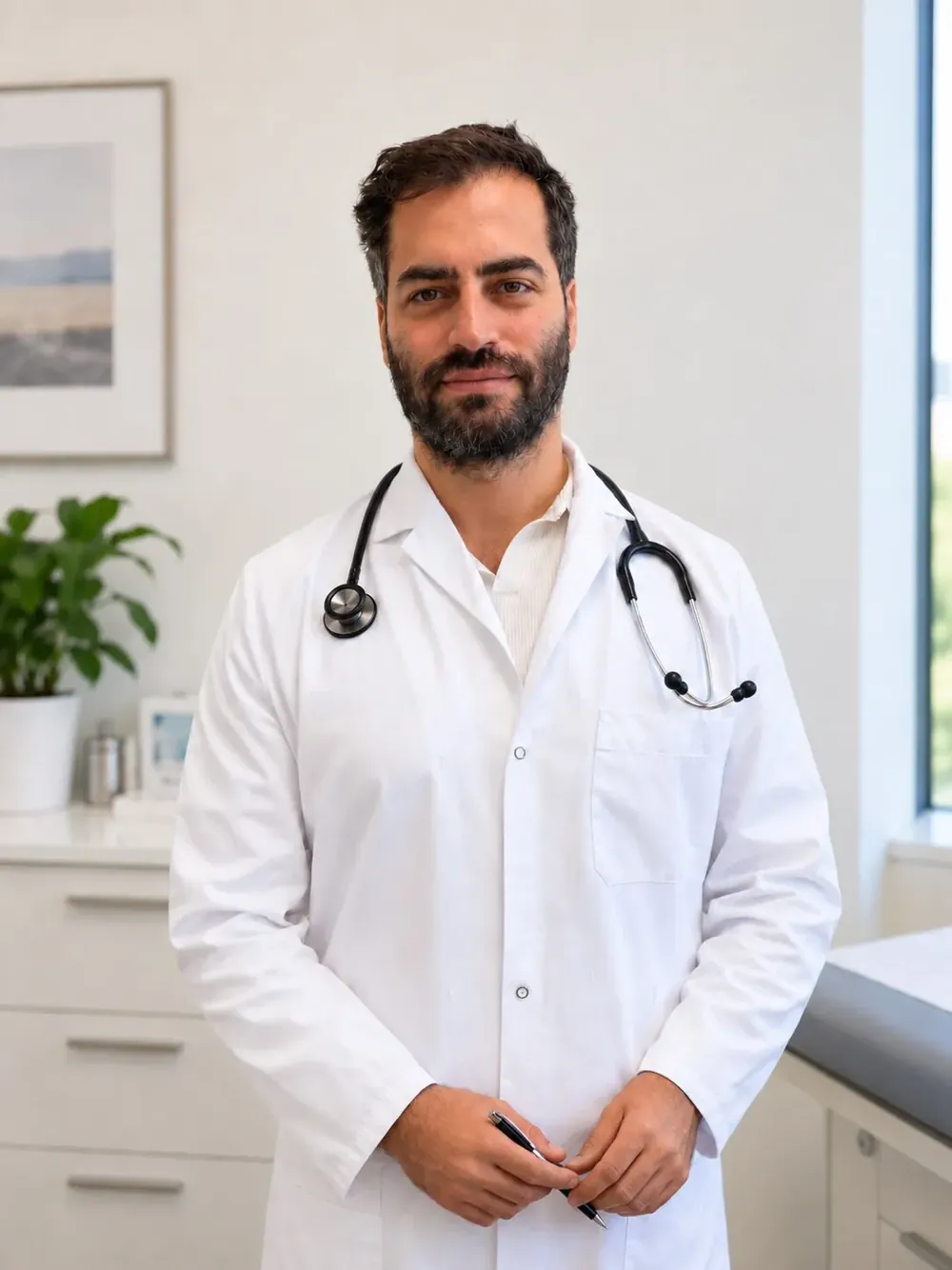
Dr. Moustafa Kassar
Medical Director · Zurich
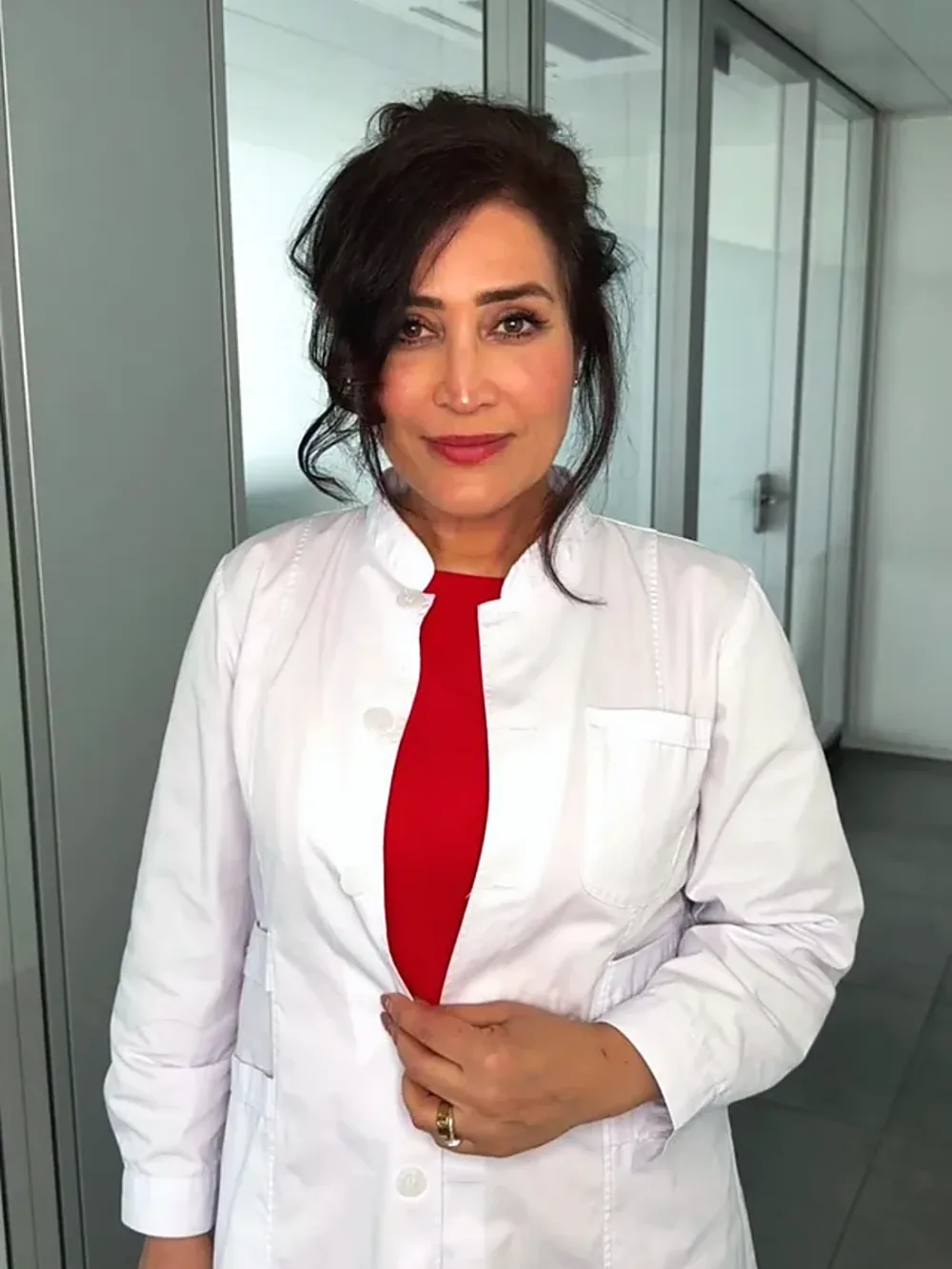
Dr. Sabrina Tahery
Medical Director · Oftringen
Before the treatment, we check the cause and pattern of your hair loss with a hair analysis and trichoscope.
The treatment takes place in our Swiss clinics under medical responsibility.
The tissue is processed in the same session and used straight afterwards.
Photos and the hair analysis document your progress; the same contacts accompany you.
Mürtschenstrasse 26, 8048 Zürich
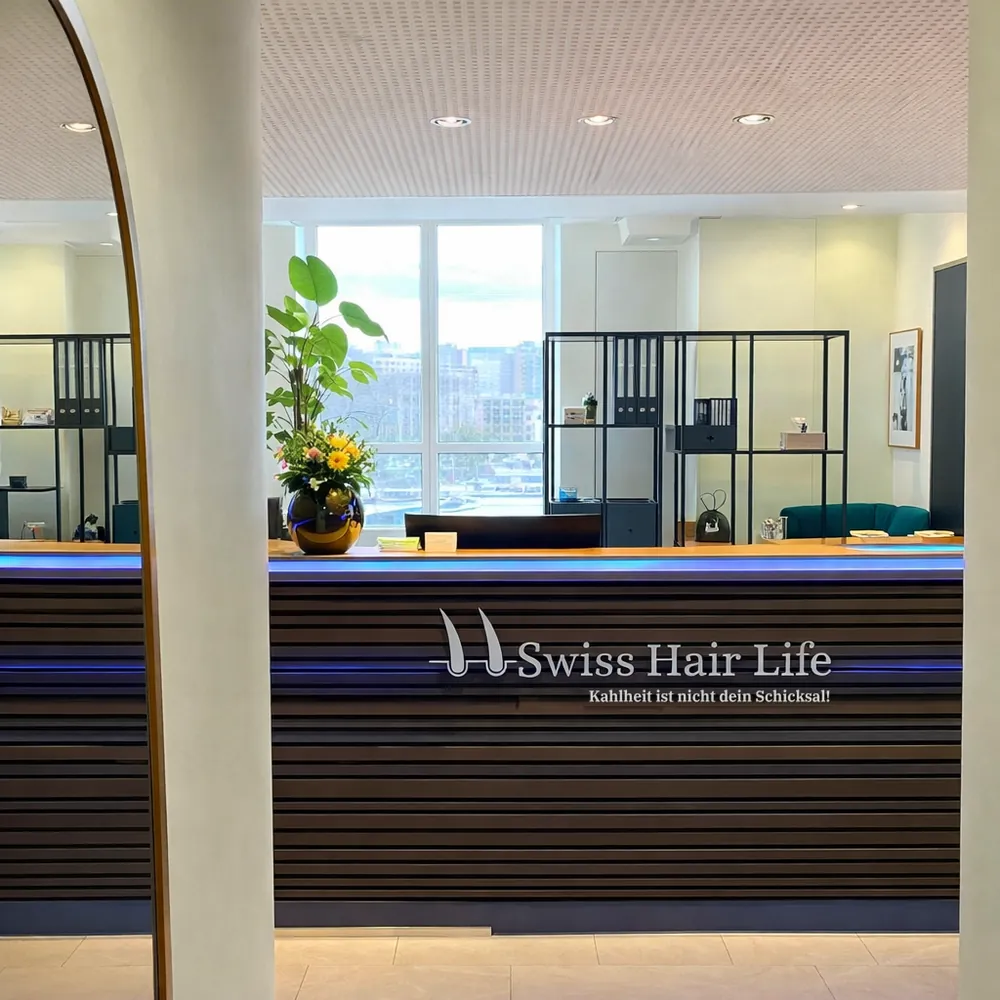
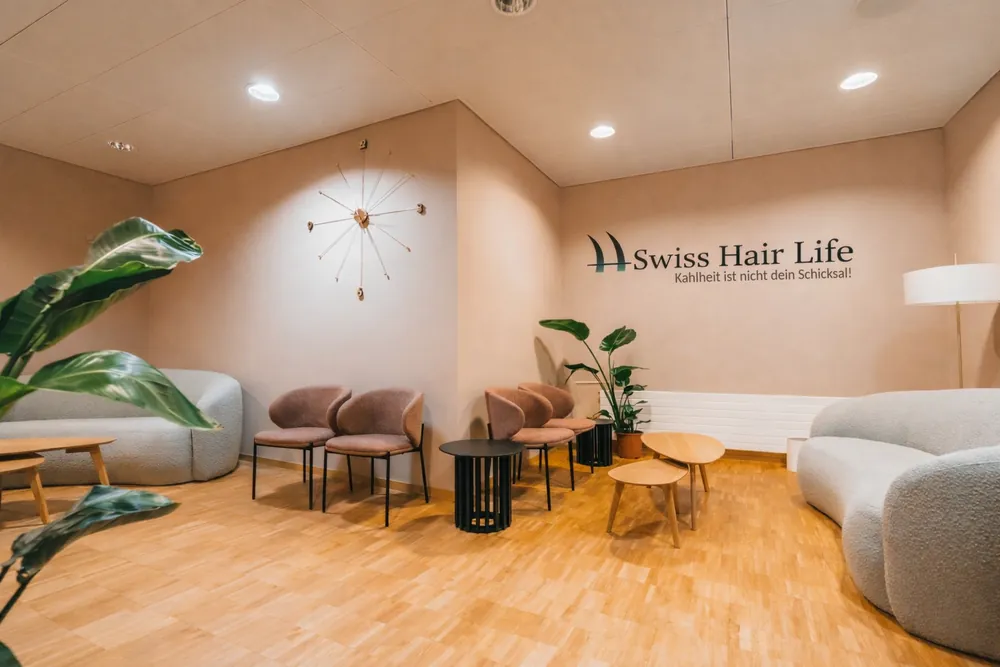
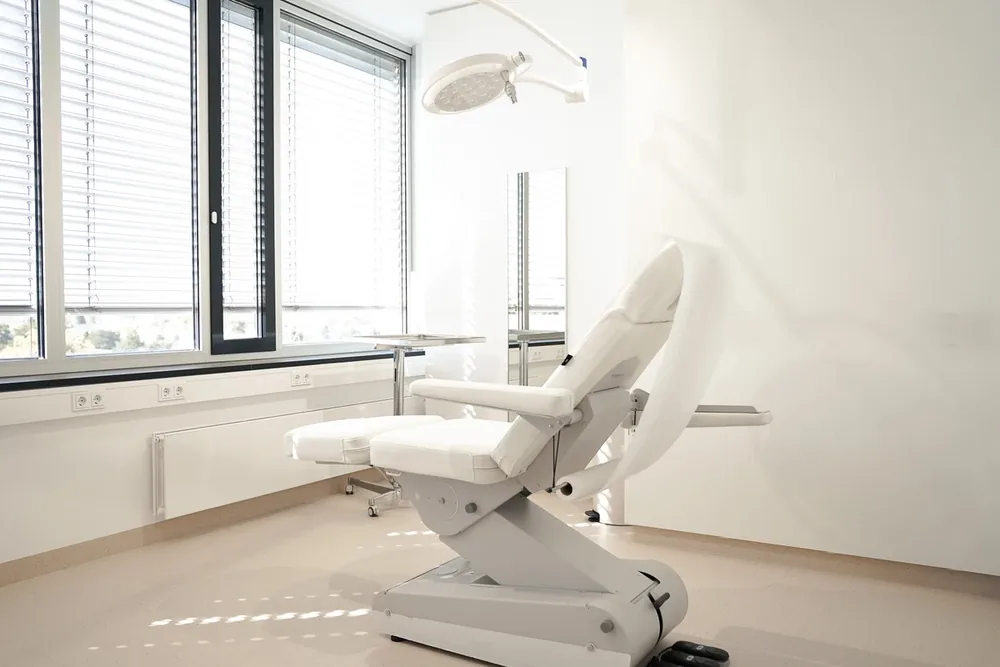
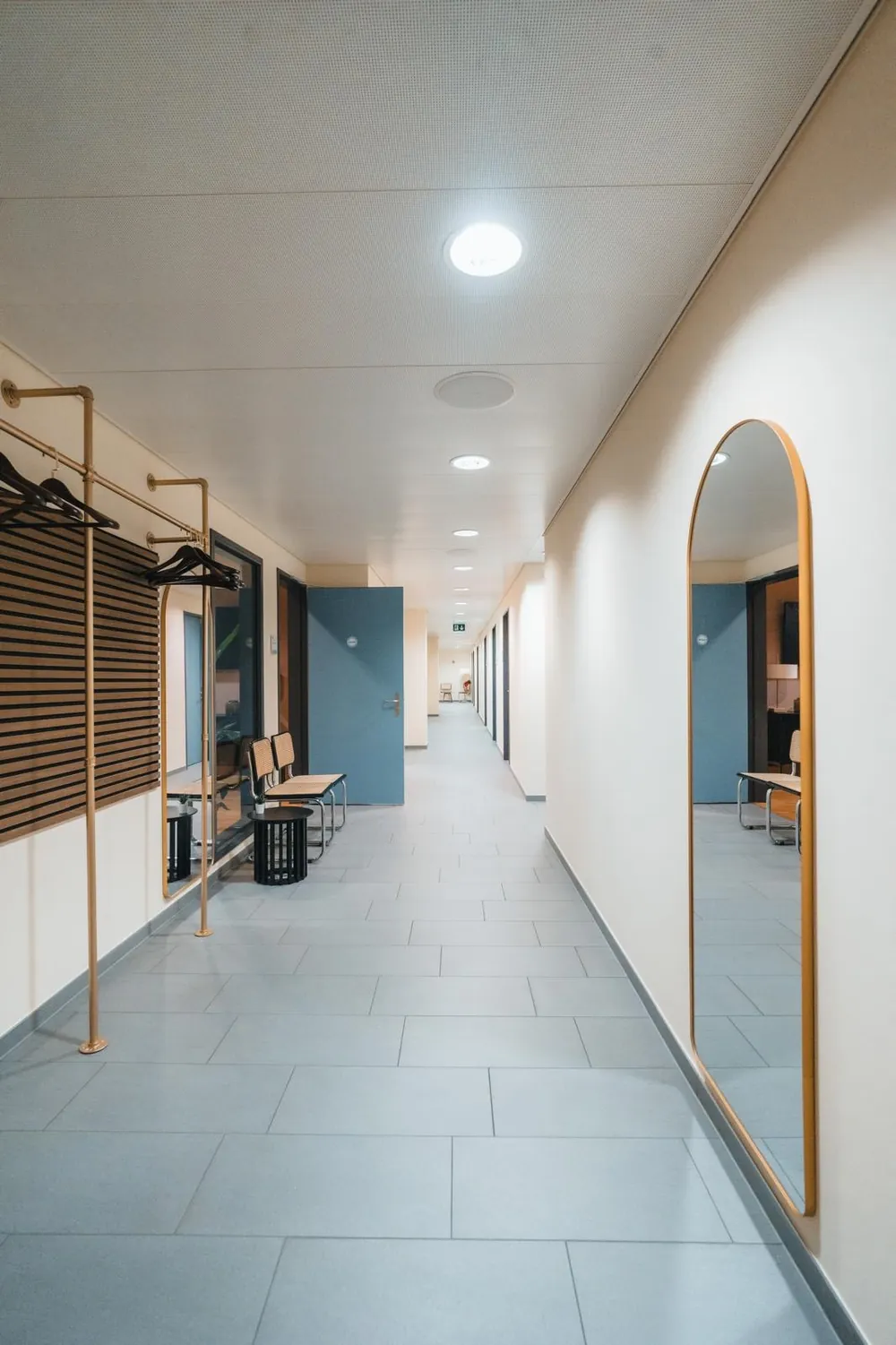
Consultation, treatment and check-ups in Zurich and Oftringen.
We tell you openly whether micrografting, PRP or a transplant is the better fit.
The treatment takes place in our Swiss clinics under medical responsibility.
The treatment material is obtained from your own hair follicle tissue.
CHF 2’500.– per treatment, set in advance.
Photos and the hair analysis show what is changing.
Consultation, treatment and check-ups take place in our own clinics in Zurich-Altstetten and Oftringen (AG), with the same contacts throughout.
In the heart of Zurich-Altstetten.
Swiss Hair Life
Mürtschenstrasse 26
8048 Zürich
Mon–Sat 08:00–18:00, closed on Sundays
Book an appointment in Zurich
In Aargau, easy to reach from Bern, Basel and Lucerne.
Swiss Hair Life
Campingweg 13
4665 Oftringen
Mon–Sat 08:00–18:00, closed on Sundays
Book an appointment in OftringenCost, tissue, effect, side effects and the difference from PRP – answered briefly.
CHF 2’500.– per treatment, as a fixed price.
The consultation and hair analysis beforehand are free. There we clarify whether the treatment makes sense for you.
A treatment for thinning hair using your own hair follicle tissue.
Three very small tissue samples are taken from behind the ear, processed and introduced with fine injections where the hair is thinning.
Only in simplified terms. Micrografting is sometimes loosely called a stem cell treatment for hair.
In fact, we use your own processed hair follicle tissue, which may contain stem and progenitor cells, among other things. No stem cells are isolated or grown in a laboratory; the tissue is processed and used in the same session.
From your own scalp behind the ear.
Three very small tissue samples with a diameter of 2.5 mm are taken there under local anaesthesia. Only your own tissue is used.
Mainly in the starting material: PRP uses your blood, micrografting your hair follicle tissue.
For PRP, blood is taken and processed into platelet-rich plasma, usually over several sessions. For micrografting, three small tissue samples are taken from behind the ear, usually in a single treatment. Which treatment is the better fit depends on the cause, the stage and the existing hair follicles.
Sampling, processing and injection in one session of about 60 minutes.
Under local anaesthesia, three small skin samples (2.5 mm) are taken from behind the ear. The tissue is processed and introduced into the scalp with around 60 fine injections.
About 60 minutes, from the sampling to the injections.
The treatment is carried out under local anaesthesia. Afterwards you can usually return straight to your daily routine.
The treatment is carried out under local anaesthesia and is usually easy to tolerate.
Afterwards, slight tenderness or redness at the treated areas and behind the ear is possible.
First changes can often become visible after about 4 months.
The individual course can vary. We assess the further progress at the follow-up appointments, with photos and a hair analysis.
That varies from person to person and has not yet been fully researched.
Micrografting can support existing hair follicles, but the cause of hereditary hair loss remains. We assess the progress at the follow-up appointments.
At Swiss Hair Life, micrografting is generally carried out as a single treatment.
Whether a further treatment may make sense later depends on the individual course. We discuss this at the follow-up appointments.
Usually only mild and temporary: redness, slight swelling, tenderness, small bruises or crusts.
Mild discomfort, slight bleeding or a small scar are possible at the sampling site behind the ear. Infection is rare.
As a rule, yes.
Micrografting is a minimally invasive treatment. You can usually go about your normal activities straight afterwards.
For women and men with thinning hair who still have hair follicles of their own.
For bald patches, a hair transplant is usually the more suitable option. With medical causes, a medical assessment comes first.
No.
Micrografting can support existing hair, but does not create new hair follicles on bald areas. There, a hair transplant is the more suitable option.
Yes. Early clinical studies show promising results in hereditary hair loss.
They include a placebo-controlled half-head study and studies with women and men. The studies are mostly small and short, and the evidence is still developing. You will find the references at the bottom of this page.
Early clinical studies show promising results for certain forms of hair loss, above all hereditary hair loss. The studies are mostly small and short; the scientific evidence is still developing. Information on duration, sampling and price comes from our practice. Statements on effectiveness are based on, among others:
Find out in a free hair analysis whether micrografting makes sense for your hair loss.
Micrografting CHF 2’500.–per treatment
Fixed price per treatment, set in the consultation. Price