Tips for hair loss – expert advice for healthy hair
Discover valuable expert tips and current trends related to hair loss. Here you'll find in-depth information on hair transplants and innovative treatments that promote long-term hair growth.
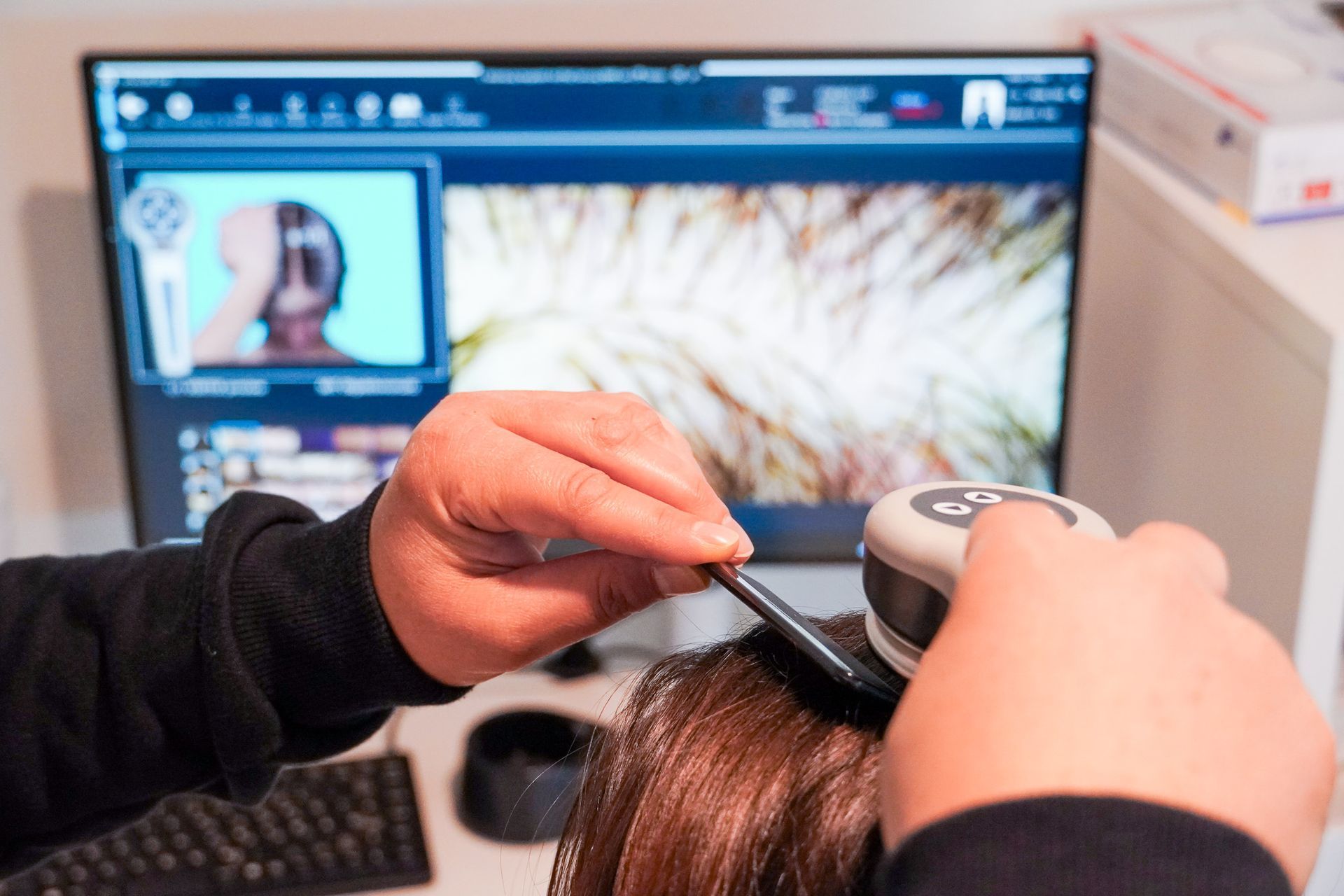
Hair care and hair loss – discover expert tips
Learn all about effective solutions and treatment options for healthy hair.

Anabolics, testosterone and hair loss: is there a correlation?
Anyone planning a hair transplant in Switzerland is looking for one thing above all: the right partner. A clinic that doesn’t just operate, but listens, guides, and provides honest advice. In this article, we share the five factors that make the biggest difference for our patients – and why Swiss Hair Life has become the first choice for so many. 1. Aftercare in Hair Transplantation – Our Unique Process Many clinics leave hair washing and bandage removal to the patient. The risk is high: Grafts can be damaged Patients often wash too gently or too aggressively Mistakes can lead to unnecessary complications The level of uncertainty in the first days is extremely high We handle these steps personally in the clinic. You visit us on day 3 and day 10 – and as often as you wish in between. There is no limitation. We support you as closely as you need. 2. Our Transplanters Are Among the Best Worldwide Our transplanters come from a country where more hair transplants are performed than anywhere else in the world – Turkey. Many clinics in Switzerland attempted to train their own transplanters internally and abandoned the effort shortly after. Why? Because reaching this level does not happen in a few months – it requires years of training and experience. Our transplanters Berna and Murat bring 5 and over 10 years of experience respectively. Both have a medical background (anesthetist & nurse) and completed additional specialized training as hair technicians, a profession they have practiced daily for many years. The result for you: natural hairlines high density precise, fast, and gentle work shorter procedure time: more comfort & safety Learn more about Berna and Murat in our blog article: “ In Safe Hands: Who Performs Your Hair Transplant” 3. A Boutique Experience – Not Mass Treatment With us, you are the focus. Dr. Balci personally oversees your treatment – from the medical assessment to the planning and aftercare. During your hair transplant, she focuses exclusively on your procedure and is fully present for you. You experience care that is individual, calm, and tailored to your needs. Our rooms are designed to make you feel at ease. Many patients tell us after the consultation: “It doesn’t feel like a clinic – more like a place you can trust.” This is intentional and part of our concept. 4. Transparency Instead of Sales Pressure We speak openly. We tell you what is realistically possible – and what is not. We do not sell unrealistic results If donor capacity is limited, we tell you If PRP is recommended beforehand, we explain why We do not perform a procedure if it doesn’t make sense This is one of the main reasons patients trust us. Many previously had consultations where “everything was possible,” regardless of reality. With us, quality comes before revenue. 5. A Holistic Approach – Not Just a Transplant A hair journey does not end on the day of the operation. That’s why we offer a comprehensive concept most clinics do not have. Expectation management: Can we truly meet your expectations? If not, we say so clearly. Satisfaction begins before the procedure. Preparation: If the skin or scalp needs support, we help beforehand. PRP treatments: To strengthen existing hair and support the overall result. Aftercare: We guide you for the full 12 months until your final result is visible. In the end, what matters most is that you feel safe and confident with your decision. We support you with transparency, realism, and without pressure and show you what is genuinely possible for you. If you would like to take the next step or still have questions, we look forward to hearing from you.
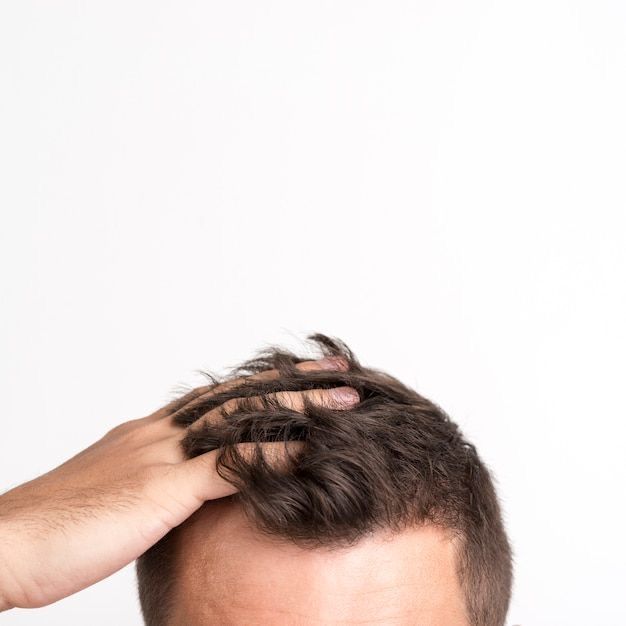
Many people only notice their hair thinning when they find strands on their pillow in the morning or in the shower drain. This can be a small shock. Is this normal, or is it hair loss? Patient experiences: Marco noticed a significantly higher amount of hair on his pillow one morning. Lisa, on the other hand, realized during brushing and in the drain that she was losing more hair than usual. Moments like these can make anyone anxious, but they are often the first sign that something is changing. Hair loss affects both men and women and can have many causes including genetic factors, hormonal changes, stress, or medication. In this article, we explain how to distinguish normal hair shedding from problematic hair loss, which warning signs to watch for, and when a hair transplant might be appropriate. We also provide tips for actively supporting your hair. How much hair loss is normal? On average, a person loses 50 to 100 hairs per day. According to the American Academy of Dermatology, this is completely normal. What matters is not a single day, but changes over several weeks or months. Tip: Observe your hair over time. Take photos of your hairline and count hairs on your pillow or comb. This helps you detect concerning changes early. Warning signs of problematic hair loss Visible thinning areas such as a receding hairline or crown thinning. Diffuse thinning across the entire scalp. Sudden, significant hair loss following stress, illness, or medication. Fact check Stress hormones such as cortisol can push hair follicles into a resting phase, causing hair to fall out after a few weeks. Hormonal changes, for example after pregnancy or due to thyroid disorders, also strongly affect hair growth. Hair transplantation: When is the right time? Dr. Balci explains “A hair transplant should only be considered once hair loss has stabilized over 6 to 12 months. We take individual factors into account, including age, hair quality, hairline, and density, to achieve a long-lasting, natural-looking result. This allows us to design the hairline optimally and ensure a sustainable outcome.” Prevention and supportive measures Even if a transplant is not yet necessary, you can actively support your hair. Healthy nutrition ensures sufficient intake of iron, zinc, vitamin D, biotin, and selenium, all of which promote hair growth. Stress reduction through meditation, exercise, and restorative sleep helps balance hormones. Gentle hair care with silicone-free shampoos and minimal use of strong-hold styling products protects hair follicles. Medical support such as PRP treatments or individually tailored therapy plans can help stimulate natural hair growth. Fact check: Studies show that a balanced diet rich in micronutrients such as iron, zinc, selenium, and vitamin D can support hair growth. PRP treatments can slow hair loss and promote new growth. According to the American Academy of Dermatology, PRP is a safe and effective method to strengthen hair follicles. Key takeaway Not all hair loss is cause for concern. Observe changes, recognize warning signs, and seek professional advice. This way, you will know when the right time for treatment has come and can take targeted action. If you are unsure whether your hair loss is normal or which steps are best for you, schedule a personal consultation at our clinic.
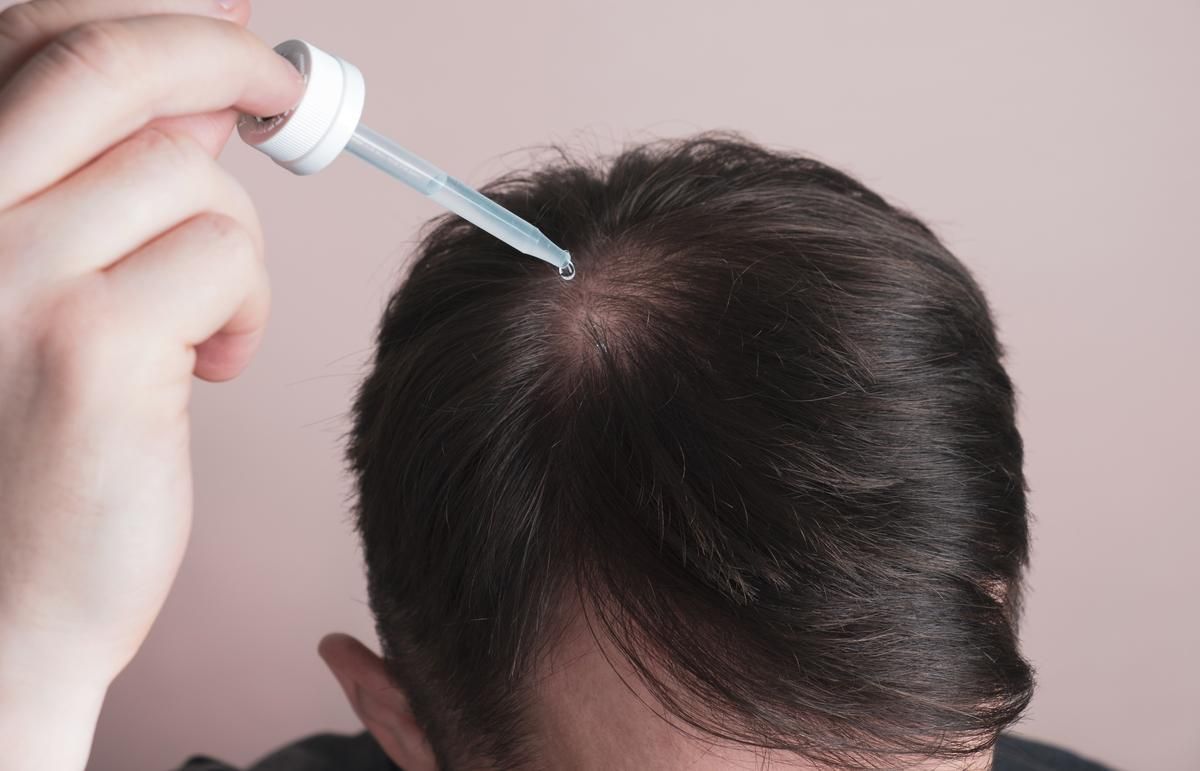
Minoxidil is the first ingredient that anyone looking for a solution to problems such as hair loss, baldness and thinning hair will come across. It is a synthetic base substance found in many hair loss medications and shampoos. But what exactly is minoxidil? Minoxidil, often known by brand names such as Regaine, is an over-the-counter medication that has gained attention for its role in combating hair loss. As a topical solution, it is easy to apply to the scalp, making it a convenient choice for individuals looking to combat thinning hair and promote hair regrowth. At the heart of minoxidil's effectiveness lies its ability to dilate blood vessels in the scalp, improving blood flow and nutrient delivery to hair follicles. This increase in nutrients can restart the follicles, leading to the growth of thicker, healthier strands. The active ingredient in Minoxidil formulations is usually between 2% and 5%, ensuring a carefully balanced concentration for optimal results.

Can genetic hair loss be cured? This is one of the most frequently asked questions we receive. Hereditary hair loss, scientifically known as androgenetic alopecia or commonly known as male pattern baldness. This is a genetic predisposition that has a profound effect on the complicated process of hair growth. This hereditary predisposition disrupts the normal hair growth cycle, which leads to a significant shortening of the growth phase. In those affected, the hair spends less time actively growing and more time in the resting phase before it finally falls out.
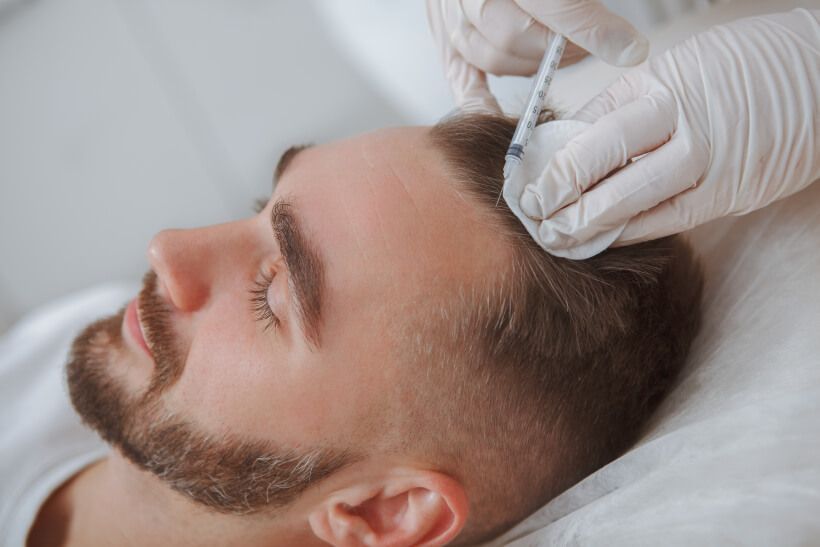
Micrografting has proven to be the only scientifically validated, groundbreaking method for hair restoration. Here’s everything you need to know about it! In the following, we’ll explore the best place for tissue-based hair therapy and highlight the key reasons why this innovative technique is especially effective. Based on solid scientific findings, we’ll provide an overview of what you can expect—and how we deliver on those expectations.

Hair loss can be very distressing, and a hair transplant for men and women is the most common method to restore hair. Finding the best place for a hair transplant is not easy. There are numerous options when it comes to choosing the right clinic. Hair transplants are popular in some countries—such as Turkey—due to their supposedly lower prices. But is that really the case? Have you thoroughly considered all the dynamics and consequences? We’ll let you decide—by comparing hair transplants in Turkey vs. Swiss Hair Life.
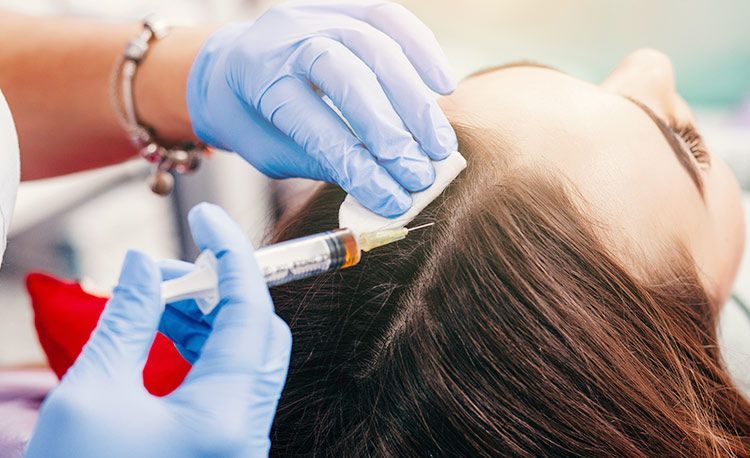
Autologous blood treatment is a non-surgical method that uses the natural healing power of your body to rejuvenate your skin. A small amount of your blood is taken and processed so that growth factors and proteins are concentrated. This prepared solution is injected into the scalp to stimulate dormant hair follicles, promote circulation and encourage hair growth. The autologous blood treatment is a minimally invasive option for hair restoration and can visibly improve hair density and thickness.