Autologous blood treatment: a useful option for hair loss?

Muhamet Aktas • 5. Mai 2025

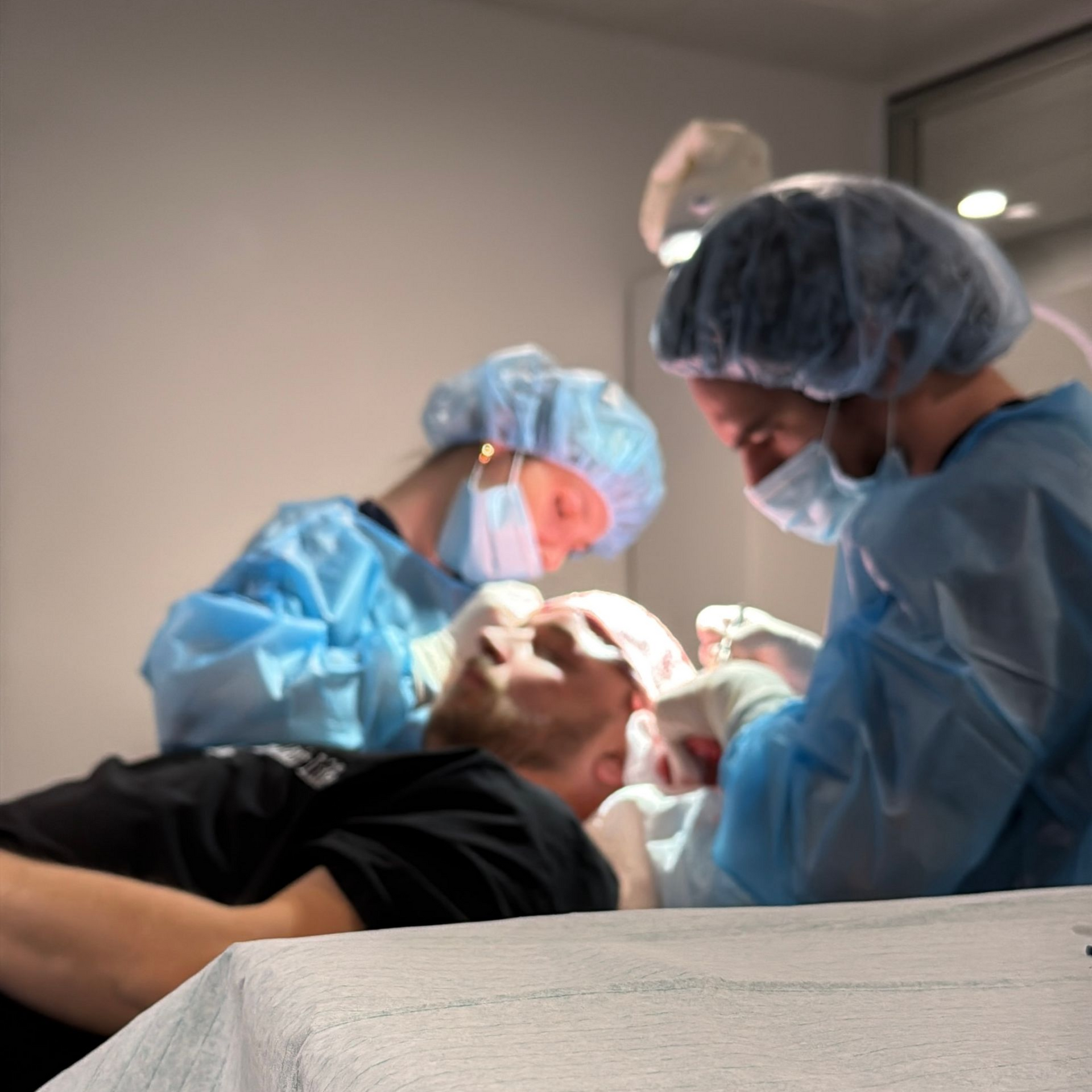
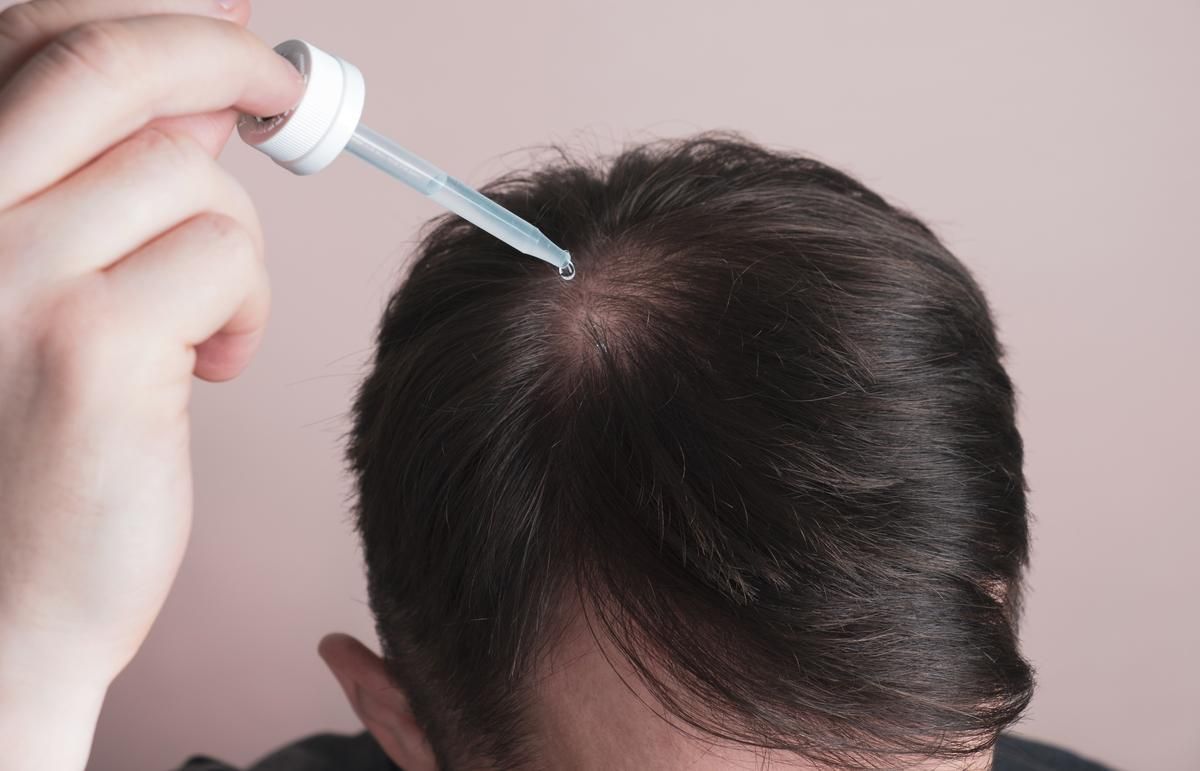
Autologous blood treatment is a non-surgical method that uses the natural healing power of your body to rejuvenate your skin. A small amount of your blood is taken and processed so that growth factors and proteins are concentrated. This prepared solution is injected into the scalp to stimulate dormant hair follicles, promote circulation and encourage hair growth. The autologous blood treatment is a minimally invasive option for hair restoration and can visibly improve hair density and thickness.

Autologous blood treatment in Switzerland: Costs

If you are considering treatment with platelet-rich blood components - also known as autologous blood treatment - to combat hair loss, the question of costs in Switzerland often arises. Prices can vary depending on the location of the clinic, the reputation of the treating specialist and the number of sessions recommended for optimal results.

At Swiss Hair Life, we are guided by your budget - no more and no less than necessary. We develop a treatment plan that is individually tailored to your needs. We flexibly adjust the number of sessions and offer an uncomplicated payment method. We guarantee the highest quality and a reliable service in the field of hair autologous treatment. Click here to find out the current prices for autologous hair treatment.


How does autologous blood treatment work?

Autohemotherapy is a non-surgical approach that taps into the body's own healing mechanisms to revitalize hair follicles and stimulate natural hair growth.

  • Blood collection phase: In the autologous blood treatment for hair loss, the journey begins with the collection of the patient's own blood. In this first phase, around 10 cm³ of blood is taken by gentle venipuncture.
  • Separation of the red blood cells: After collection, the blood sample undergoes a careful process that includes microfiltration and centrifugation. These procedures carefully separate the red blood cells, leaving a platelet-rich blood component that is free of these elements.
  • Extraction of platelet and platelet-rich blood component: After these separation maneuvers, a concentrate with a high concentration of platelets is produced. This highly effective ingredient takes center stage and provides strong support for the revitalization of hair follicles.
  • Application to hair follicles: The platelet and platelet-rich blood component obtained is then applied specifically to the desired hair follicles. This step serves as a care boost that promotes hair health and accelerates growth.
  • Painless and short procedure: The application is remarkably quick. The entire procedure usually takes about 30 minutes, and most patients get through it with minimal discomfort.
  • Hair follicle repair process: After this non-surgical procedure, hair follicles embark on a journey of regeneration. They show a promising tendency to repair themselves and herald a phase of new growth and vitality.


Does the autologous blood treatment really regrow hair permanently?

The results of an autologous hair loss treatment usually last for about a year. The first treatment may require several sessions to achieve the desired results. While the method does not provide a permanent cure for hair loss, it can renew the follicles' ability to temporarily grow back. It is not considered a permanent solution, but is a valuable option for rejuvenation and can lead to improved hair thickness and renewed self-confidence.


What are the advantages of hair treatment with platelet-rich blood components?

Autohemotherapy has attracted attention for its numerous benefits in combating hair loss and promoting hair health. This procedure utilizes the body's own healing potential to stimulate hair growth and strengthen follicles. The benefits include the fact that it is non-surgical and involves minimal discomfort and downtime. By infusing growth factors into the scalp, dormant hair follicles are stimulated, resulting in increased hair density and thickness. In addition, the method is safe as it uses the patient's own blood components. The treatment is tailored to individual needs and offers a personalized approach to hair restoration. Whether for early signs of hair loss or for prevention, the multiple benefits make it a promising option for anyone who wants to regain strong and full hair.


Benefits at a glance:


  • Hair protection: the treatment is effective against hair loss and helps to combat thinning and hair loss.
  • Increased follicle vitality: The infusion of growth factors revitalizes the hair follicles and promotes their health.
  • Tissue regeneration: The method supports the repair of damaged tissue and creates an environment for healthy hair growth.
  • Stimulation of growth: Growth factors stimulate the hair follicles to produce new hair.
  • Revitalization of dormant roots: The treatment activates inactive hair roots and promotes hair density.


What should I do before a hair treatment with platelet-rich blood components??


Before:

  • Consultation: Make an appointment to assess your suitability. Our experts will guide you through the entire process.
  • Avoid blood thinners: Check with your doctor whether medication should be discontinued.
  • Hydration: Drink plenty of water.
  • Cleanse your scalp: Wash your hair on the day of treatment.
  • Light meal: Eat something and wear comfortable clothing.


After:

  • Follow up care: Follow the recommendations of your healthcare provider.
  • Sun protection: Avoid direct sunlight.
  • Hydration: Continue to drink plenty of water.
  • Rest: Avoid strenuous activity for one to two days.
  • Patience: The results will develop over time. Stick to your plan consistently.


How long does it take for the hair to grow after the autologous blood treatment?

The number of sessions required and the timing of hair growth depend on individual factors. As a rule, 3 to 4 sessions at intervals of 4 to 6 weeks are recommended. Initial improvements can be seen after a few months, with the best results after 6 to 12 months. An individual consultation is crucial to determine the optimal treatment plan.


21. Dezember 2025
Anabolics, testosterone and hair loss: is there a correlation?
Haarausfall durch Anabolika: Wirkung von Testosteron und DHT auf Haarfollikel
7. Dezember 2025
Führen Anabolika oder Testosteron zu Haarausfall? Erfahren Sie, wie DHT und Genetik die Haarfollikel beeinflussen – und welche Behandlungen wirklich helfen.
16. November 2025
Warum entscheiden sich Patienten für Swiss Hair Life? Die 5 wichtigsten Gründe für eine sichere, hochwertige Haartransplantation in der Schweiz.
von Muhamet Aktas 15. November 2025
Anyone planning a hair transplant in Switzerland is looking for one thing above all: the right partner. A clinic that doesn’t just operate, but listens, guides, and provides honest advice. In this article, we share the five factors that make the biggest difference for our patients – and why Swiss Hair Life has become the first choice for so many. 1. Aftercare in Hair Transplantation – Our Unique Process Many clinics leave hair washing and bandage removal to the patient. The risk is high: Grafts can be damaged Patients often wash too gently or too aggressively Mistakes can lead to unnecessary complications The level of uncertainty in the first days is extremely high We handle these steps personally in the clinic. You visit us on day 3 and day 10 – and as often as you wish in between. There is no limitation. We support you as closely as you need. 2. Our Transplanters Are Among the Best Worldwide Our transplanters come from a country where more hair transplants are performed than anywhere else in the world – Turkey. Many clinics in Switzerland attempted to train their own transplanters internally and abandoned the effort shortly after. Why? Because reaching this level does not happen in a few months – it requires years of training and experience. Our transplanters Berna and Murat bring 5 and over 10 years of experience respectively. Both have a medical background (anesthetist & nurse) and completed additional specialized training as hair technicians, a profession they have practiced daily for many years. The result for you: natural hairlines high density precise, fast, and gentle work shorter procedure time: more comfort & safety Learn more about Berna and Murat in our blog article: “ In Safe Hands: Who Performs Your Hair Transplant” 3. A Boutique Experience – Not Mass Treatment With us, you are the focus. Dr. Balci personally oversees your treatment – from the medical assessment to the planning and aftercare. During your hair transplant, she focuses exclusively on your procedure and is fully present for you. You experience care that is individual, calm, and tailored to your needs. Our rooms are designed to make you feel at ease. Many patients tell us after the consultation: “It doesn’t feel like a clinic – more like a place you can trust.” This is intentional and part of our concept. 4. Transparency Instead of Sales Pressure We speak openly. We tell you what is realistically possible – and what is not. We do not sell unrealistic results If donor capacity is limited, we tell you If PRP is recommended beforehand, we explain why We do not perform a procedure if it doesn’t make sense This is one of the main reasons patients trust us. Many previously had consultations where “everything was possible,” regardless of reality. With us, quality comes before revenue. 5. A Holistic Approach – Not Just a Transplant A hair journey does not end on the day of the operation. That’s why we offer a comprehensive concept most clinics do not have. Expectation management: Can we truly meet your expectations? If not, we say so clearly. Satisfaction begins before the procedure. Preparation: If the skin or scalp needs support, we help beforehand. PRP treatments: To strengthen existing hair and support the overall result. Aftercare: We guide you for the full 12 months until your final result is visible. In the end, what matters most is that you feel safe and confident with your decision. We support you with transparency, realism, and without pressure and show you what is genuinely possible for you. If you would like to take the next step or still have questions, we look forward to hearing from you.
15. November 2025
Many people only notice their hair thinning when they find strands on their pillow in the morning or in the shower drain. This can be a small shock. Is this normal, or is it hair loss? Patient experiences: Marco noticed a significantly higher amount of hair on his pillow one morning. Lisa, on the other hand, realized during brushing and in the drain that she was losing more hair than usual. Moments like these can make anyone anxious, but they are often the first sign that something is changing. Hair loss affects both men and women and can have many causes including genetic factors, hormonal changes, stress, or medication. In this article, we explain how to distinguish normal hair shedding from problematic hair loss, which warning signs to watch for, and when a hair transplant might be appropriate. We also provide tips for actively supporting your hair. How much hair loss is normal? On average, a person loses 50 to 100 hairs per day. According to the American Academy of Dermatology, this is completely normal. What matters is not a single day, but changes over several weeks or months. Tip: Observe your hair over time. Take photos of your hairline and count hairs on your pillow or comb. This helps you detect concerning changes early. Warning signs of problematic hair loss Visible thinning areas such as a receding hairline or crown thinning. Diffuse thinning across the entire scalp. Sudden, significant hair loss following stress, illness, or medication. Fact check Stress hormones such as cortisol can push hair follicles into a resting phase, causing hair to fall out after a few weeks. Hormonal changes, for example after pregnancy or due to thyroid disorders, also strongly affect hair growth. Hair transplantation: When is the right time? Dr. Balci explains “A hair transplant should only be considered once hair loss has stabilized over 6 to 12 months. We take individual factors into account, including age, hair quality, hairline, and density, to achieve a long-lasting, natural-looking result. This allows us to design the hairline optimally and ensure a sustainable outcome.” Prevention and supportive measures Even if a transplant is not yet necessary, you can actively support your hair. Healthy nutrition ensures sufficient intake of iron, zinc, vitamin D, biotin, and selenium, all of which promote hair growth. Stress reduction through meditation, exercise, and restorative sleep helps balance hormones. Gentle hair care with silicone-free shampoos and minimal use of strong-hold styling products protects hair follicles. Medical support such as PRP treatments or individually tailored therapy plans can help stimulate natural hair growth. Fact check: Studies show that a balanced diet rich in micronutrients such as iron, zinc, selenium, and vitamin D can support hair growth. PRP treatments can slow hair loss and promote new growth. According to the American Academy of Dermatology, PRP is a safe and effective method to strengthen hair follicles. Key takeaway Not all hair loss is cause for concern. Observe changes, recognize warning signs, and seek professional advice. This way, you will know when the right time for treatment has come and can take targeted action. If you are unsure whether your hair loss is normal or which steps are best for you, schedule a personal consultation at our clinic.
11. November 2025
In sicheren Händen: Wer Ihre Haartransplantation durchführt
11. November 2025
Unser Patient, Daniel, teilt anfangs November 2025 seine Erfahrung in seiner Google-Review genau zu diesem Thema mit den Worten: “ … Doch nach einem Monat waren dann nicht mehr alle Haare gleich lang und an gewissen Stellen gab es wie Lücken, da stellte sich für mich wie die Frage, ob es jetzt noch "gescheckter" als vorher ist. Doch wieder einen Monat später stellte ich fest, dass die Haare immer noch vorhanden waren und einfach kleiner nachwuchsen. Jetzt nach knapp vier Monaten sind die Haare auf ca. 2 cm gleichmässig gestutzt und es sieht schon richtig ansprechend gleichmässig dicht aus.” Er weiss, dass dies ein normaler Prozess ist, dennoch macht er sich Sorgen, ob alle Haare wieder nachwachsen. Solche Erfahrungen verunsichern viele, zeigen aber gleichzeitig, wie wichtig es ist, zu verstehen, wie transplantierte Haare funktionieren und was deren Wachstum beeinflussen kann. Bei vielen Patientinnen und Patienten herrscht bei diesem Thema Unwissen. Mit diesem Blogbeitrag möchten wir rund um den Haartransplantationsprozess Klarheit schaffen. Von der Vorbereitung auf die Operation, über die Operation selbst, die Regenerationsphase bis hin zur Wachstumsphase. Weiter möchten wir wertvolle Tipps geben, wie Sie das Beste aus Ihren transplantierten Haaren herausholen und Ihnen die optimale Pflege für ein dauerhaft gutes Ergebnis bieten können. Fakten über transplantierte Haare Transplantierte Haare stammen aus einem Bereich, der genetisch nicht vom Haarausfall betroffen ist, meist vom Hinterkopf oder den Seiten. Deshalb wachsen sie in der Regel ein Leben lang weiter. Das ist auch der Grund, warum ältere oder jüngere Männer, die von erblich bedingtem Haarausfall betroffen sind, an diesen Stellen oft noch volle Haare haben. Ein gutes Beispiel aus der Filmwelt ist Jason Statham. Seine Haare aus den Seiten oder vom Hinterkopf sind stark und robust wie er in seinen Actionfilmen! 😉 Dr. Balci erklärt: „ Transplantierte Haare sind in der Regel dauerhaft, weil sie aus einem genetisch stabilen Bereich stammen. Dennoch gibt es Faktoren wie Stress, hormonelle Veränderungen oder Krankheiten, die die Haarqualität oder Haardichte beeinflussen können. Mit der richtigen Nachsorge und unterstützenden Massnahmen können wir das Ergebnis langfristig stabil halten. “ Warum könnten Haare trotzdem ausfallen? In sehr seltenen Fällen kann es vorkommen, dass transplantierte Haare trotzdem dünner werden oder ausfallen. Dies kann bei schweren, chronischen Erkrankungen oder bei starken Lebensveränderungen geschehen, die den Körper stark belasten. Wichtig zu wissen: Frisch transplantierte Haare sind in den ersten zwei Wochen sehr stossempfindlich. Man sollte vermeiden, sich mit den Fingernägeln am Kopf zu kratzen oder mit dem Kopf irgendwo anzustossen, da die Kopfhaut und die Haarfollikel in dieser Phase sehr empfindlich sind. Die kleinen Öffnungen, in welche die Haarfollikel eingesetzt wurden, sind noch nicht vollständig geschlossen. Wird ein Follikel in dieser Zeit verletzt oder herausgerissen, kann das Haar an dieser Stelle nicht mehr nachwachsen. Der Prozess nach der Haartransplantation Nach der Haartransplantation fallen die transplantierten Haare nach etwa 2–4 Wochen vorübergehend aus. Dies ist ein normaler Teil des Heilungsprozesses. Danach beginnt das neue Haar zu wachsen. Nach 4–6 Monaten ist eine deutliche Dichte sichtbar. Das Endresultat, zeigt sich nach etwa 9–12 Monaten. Um das bestmögliche Endresultat zu erzielen, empfehlen wir unseren Patientinnen und Patienten, nach einer Haartransplantation regelmässig PRP-Behandlungen durchzuführen. Diese versorgen die transplantierten Haare mit wichtigen Nährstoffen, stärken die gesamte Haarstruktur und fördern gleichzeitig den Heilungsprozess. Wie Sie das Wachstum unterstützen und Ihren Haaren neue Kraft geben PRP-Behandlungen: Stärken die Haarfollikel, stoppen Haarausfall und fördern das Wachstum. Ausgewogene, gesunde Ernährung: Nehmen Sie durch die Ernährung wichtige Vitamine wie Eisen, Zink, Selen, Vitamin D und Biotin zu sich. Stressreduktion: Wenden Sie Entspannungstechniken an, schlafen Sie ausreichend, bewegen Sie sich regelmässig und vermeiden Sie chronischen Stress Schonende Haarpflege: Silikonfreie Shampoos verwenden, Haarsprays oder stark fixierende Produkte vermeiden. Was Sie mitnehmen Transplantierte Haare sind in den allermeisten Fällen dauerhaft. Mit dem Wissen über den natürlichen Prozess, der richtigen Pflege, gesunden Lebensgewohnheiten und unterstützenden Massnahmen wie PRP-Behandlungen können Sie das Ergebnis langfristig stabil halten. Wenn Sie wissen möchten, wie Sie Ihre transplantierten Haare optimal schützen können und welche unterstützenden Massnahmen für Sie sinnvoll sind, vereinbaren Sie gerne ein persönliches Beratungsgespräch in unserer Klinik.
Haarausfall erkennen und richtig handeln wann eine Behandlung oder Haartransplantation sinnvoll ist
31. Oktober 2025
So geht es anderen: Marco bemerkte eines Morgens deutlich mehr Haare auf seinem Kopfkissen. Lisa fiel dagegen beim Kämmen und im Abfluss auf, dass sie mehr Haare verliert als sonst. Solche Momente verunsichern viele, sind aber oft der erste Hinweis darauf, dass sich etwas verändert. Haarausfall betrifft Männer und Frauen und kann viele Ursachen haben: genetisch, hormonell, stressbedingt oder durch Medikamente. In diesem Artikel erfahren Sie, wie Sie normalen Haarverlust von problematischem Haarausfall unterscheiden, welche Warnsignale wichtig sind und wann eine Haartransplantation sinnvoll sein kann. Ausserdem geben wir Tipps, wie Sie Ihr Haar aktiv unterstützen können. Wie viel Haarverlust ist normal? Täglich verliert ein Mensch etwa 50–100 Haare. Das gilt laut der American Academy of Dermatology als ganz normal. Entscheidend ist nicht ein einzelner Tag, sondern Veränderungen über mehrere Wochen oder Monate. Tipp: Beobachten Sie Ihr Haar über längere Zeit. Fotografieren Sie Ihre Haarlinie, zählen Sie Haare auf Kissen oder Kamm. So erkennen Sie am schnellsten eine problematische Veränderung. Warnsignale für problematischen Haarausfall Sichtbare, lichte Stellen (Geheimratsecken, Tonsur) Diffuses Ausdünnen über die gesamte Kopfhaut Plötzlicher, massiver Verlust nach Stress, Krankheit oder Medikamenteneinnahme Faktencheck: Stresshormone wie Cortisol können Haarfollikel in die Ruhephase versetzen. Die Haare können dann nach einigen Wochen ausfallen. Auch hormonelle Veränderungen, zum Beispiel nach einer Schwangerschaft oder bei Schilddrüsenerkrankungen, beeinflussen das Haarwachstum stark. Haartransplantation: Wann ist der richtige Zeitpunkt? Dr. Balci erklärt: “Eine Haartransplantation sollte erst in Erwägung gezogen werden, wenn der Haarausfall über 6-12 Monate stabil ist. Wir berücksichtigen dabei individuelle Faktoren wie Alter, Haarqualität, Haarlinie und Dichte, um ein dauerhaft natürliches Ergebnis zu erzielen. So können wir die Haarlinie optimal gestalten und so ein langfristig natürliches Ergebnis erreichen.” Pr ävention & begleitende Massnahmen Auch wenn noch keine Transplantation notwendig ist, können Sie Ihr Haar aktiv unterstützen: Gesunde Ernährung: Achten Sie auf eine ausreichende Zufuhr von Eisen, Zink, Vitamin D, Biotin und Selen. Diese Vitamine fördern das Haarwachstum. Es gibt Präparate, die alle erwähnten Vitamine enthalten. Stressreduktion: Chronischer Stress kann Haarausfall verstärken. Meditation, Bewegung und erholsamer Schlaf helfen, das hormonelle Gleichgewicht zu stabilisieren. Schonende Haarpflege: Verwenden Sie Shampoos ohne Silikone und vermeiden Sie Produkte mit zu vielen chemischen Zusatzstoffen. Auch Haarsprays oder stark fixierende Produkte sollten nur sparsam verwendet werden, da sie die Haarwurzeln schwächen können. Medizinische Unterstützung: PRP-Behandlungen oder individuell abgestimmte Therapiepläne können helfen, das Haarwachstum natürlich zu stimulieren. Faktencheck Studien zeigen, dass eine ausgewogene Ernährung mit Mikronährstoffen wie Eisen, Zink, Selen und Vitamin D das Haarwachstum unterstützen kann. Eine PRP- Behandlung kann den Haarausfall verlangsamen und das Haarwachstum wieder fördern. Laut der American Academy of Dermatology gilt PRP als sichere und wirksame Methode zur Stärkung der Haarfollikel. Was Sie mitnehmen sollten Nicht jeder Haarverlust ist zwingend problematisch. Beobachten Sie Veränderungen, erkennen Sie Warnsignale und lassen Sie sich professionell beraten. So wissen Sie, wann der richtige Zeitpunkt für eine Behandlung gekommen ist und können gezielt handeln. Wenn Sie unsicher sind, ob Ihr Haarverlust normal ist oder welche Schritte für Sie sinnvoll sind, vereinbaren Sie gerne ein persönliches Beratungsgespräch in unserer Klinik. Wir nehmen uns Zeit für Sie.
von Muhamet Aktas 7. Mai 2025
Minoxidil is the first ingredient that anyone looking for a solution to problems such as hair loss, baldness and thinning hair will come across. It is a synthetic base substance found in many hair loss medications and shampoos. But what exactly is minoxidil? Minoxidil, often known by brand names such as Regaine, is an over-the-counter medication that has gained attention for its role in combating hair loss. As a topical solution, it is easy to apply to the scalp, making it a convenient choice for individuals looking to combat thinning hair and promote hair regrowth. At the heart of minoxidil's effectiveness lies its ability to dilate blood vessels in the scalp, improving blood flow and nutrient delivery to hair follicles. This increase in nutrients can restart the follicles, leading to the growth of thicker, healthier strands. The active ingredient in Minoxidil formulations is usually between 2% and 5%, ensuring a carefully balanced concentration for optimal results.
von Muhamet Aktas 7. Mai 2025
Can genetic hair loss be cured? This is one of the most frequently asked questions we receive. Hereditary hair loss, scientifically known as androgenetic alopecia or commonly known as male pattern baldness. This is a genetic predisposition that has a profound effect on the complicated process of hair growth. This hereditary predisposition disrupts the normal hair growth cycle, which leads to a significant shortening of the growth phase. In those affected, the hair spends less time actively growing and more time in the resting phase before it finally falls out.
Show More